Malaise Traps
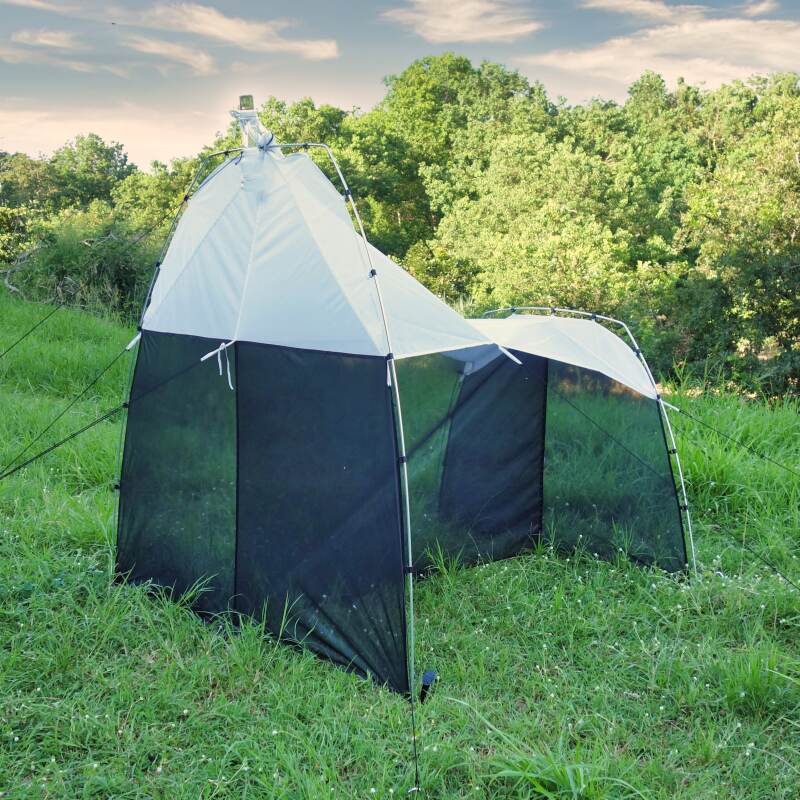
The Malaise trap, developed in the 1930s by Swedish entomologist Dr. René Malaise, remains a key passive sampling tool in modern entomology. Its tent-like design—a vertical mesh barrier beneath a sloping roof—intercepts flight paths and guides insects upward into a preservative-filled collection bottle. The method is especially effective for taxa such as Hymenoptera and Diptera. Recent innovations in trap design, including BugDorm’s easy-to-deploy ez-Malaise Trap, retain the core sampling principle while improving portability and reducing setup time at remote field sites. The freestanding SLAM Trap (Sea, Land, and Air Malaise) further extends applications beyond ground level by enabling suspended canopy deployments and use over water. Together, these advances broaden habitat coverage and study options while maintaining methodological consistency with the classic approach.
Showing the single result
Showing the single result